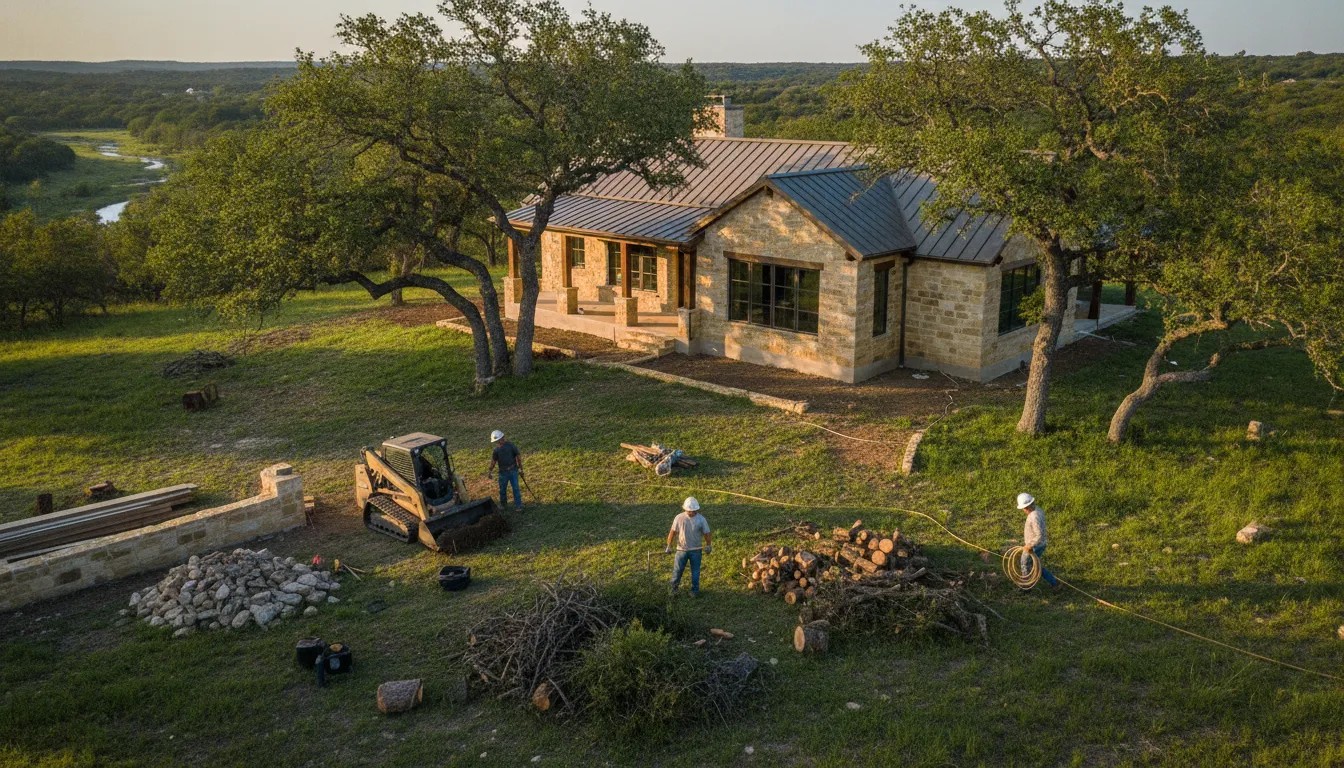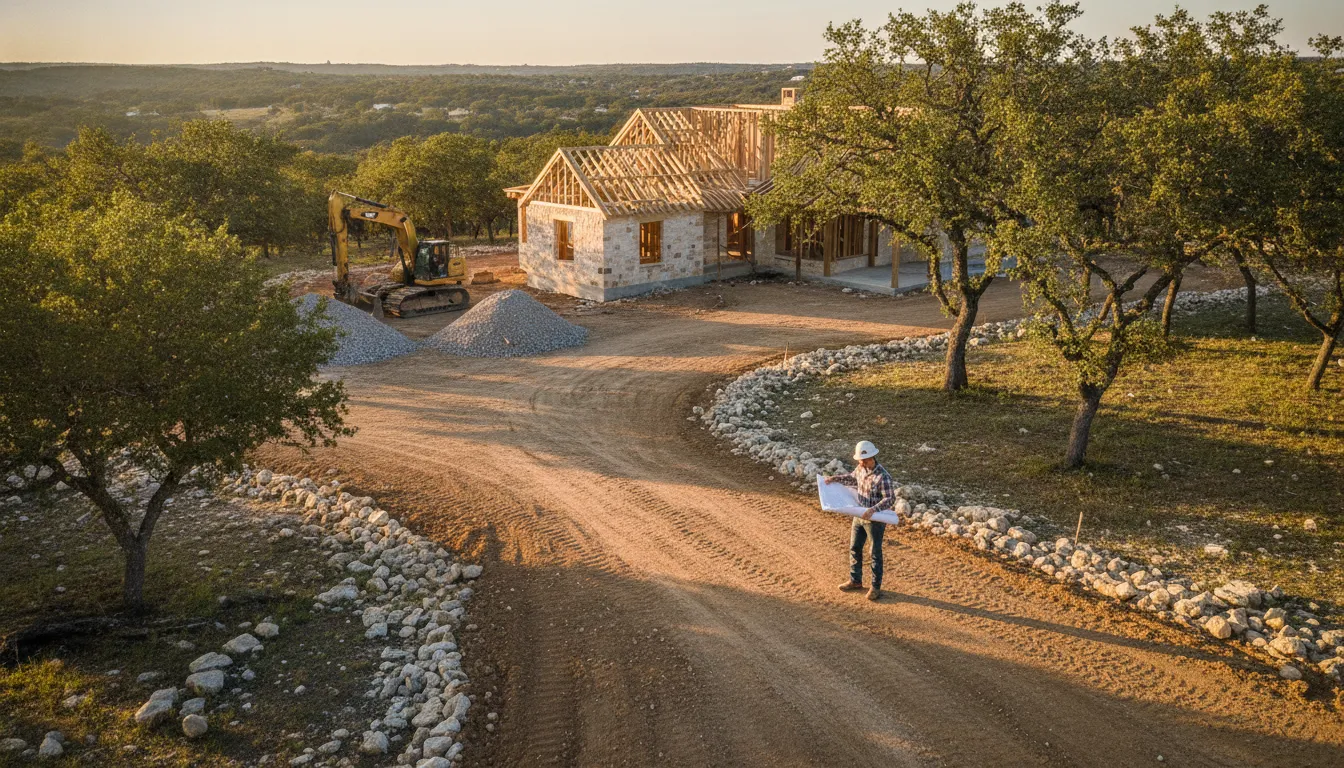


A construction loan draw schedule releases funds as a custom home reaches agreed milestones instead of funding the entire build at once. For Texas Hill Country buyers, understanding how a custom-home building process and financing plan connects to each draw can make lender conversations, site planning, and builder coordination much easier. This guide explains a construction loan draw schedule in Texas for a custom home without substituting for lender, legal, or financial advice.
Talk with JLP Builders about planning your Texas custom home.
What is a construction loan draw schedule?
A construction loan draw schedule is a written plan that connects loan disbursements to verified construction progress. After a milestone is completed, the builder or borrower submits a draw request, the lender or inspector reviews the work, and the lender releases the approved amount. The exact timing, documentation, and fees are controlled by the loan agreement.
Unlike a standard mortgage, construction financing usually involves multiple advances. The Consumer Financial Protection Bureau's construction-loan disclosure guide addresses staged disbursements, construction inspections, and draw-handling fees. That guidance explains disclosure treatment, not a universal schedule for every Texas project, so your lender's documents remain the controlling source.
How do construction loan draws work from request to payment?
Each draw is a controlled handoff between the construction team, the lender, and the buyer. A typical request follows this pattern:
- Work reaches a defined milestone. The builder confirms that the portion of work is complete or sufficiently advanced for inspection.
- The draw package is prepared. It may include an invoice, updated budget, lien or payment documentation, change-order information, and photographs, depending on lender requirements.
- The lender orders or completes an inspection. An inspector compares visible progress with the plans, budget, and percentage-completion requirements.
- The lender approves, adjusts, or returns the request. Missing documents, incomplete work, or an out-of-sequence request can delay approval.
- Funds are disbursed. The lender sends the approved amount according to the loan agreement, often to the builder, borrower, or a controlled account.
Ask who is responsible for submitting the request, who schedules the inspection, how quickly the lender typically responds, and how a disputed line item is handled. A clear responsibility chart prevents a completed construction milestone from waiting on an unclear administrative step.
What are typical draw milestones for a Texas Hill Country custom home?
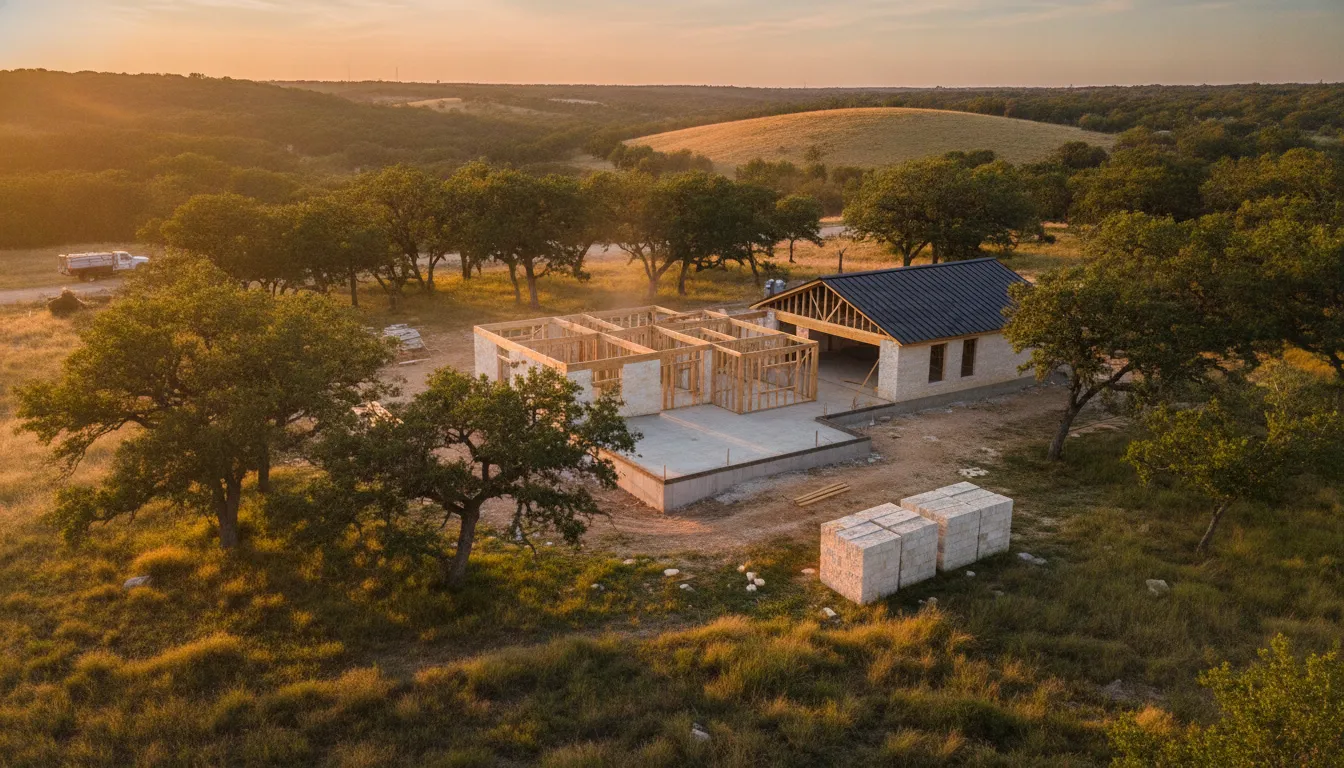
A representative schedule follows the build sequence, but there is no one-size-fits-all Texas draw calendar. Lenders may combine or split stages, set percentage-completion thresholds, hold back part of a request, or require a specific inspection format. Use the table below as a conversation starter, not as a promise of when funds will be released.
| Build stage | What the lender may confirm | Buyer question to ask |
|---|---|---|
| Closing and site readiness | Loan closing, permits, plans, budget, and required pre-construction conditions | Which conditions must be satisfied before the first draw? |
| Site work and foundation | Approved excavation, utilities or site preparation, forms, and foundation progress | Are site-work items funded together or in separate draws? |
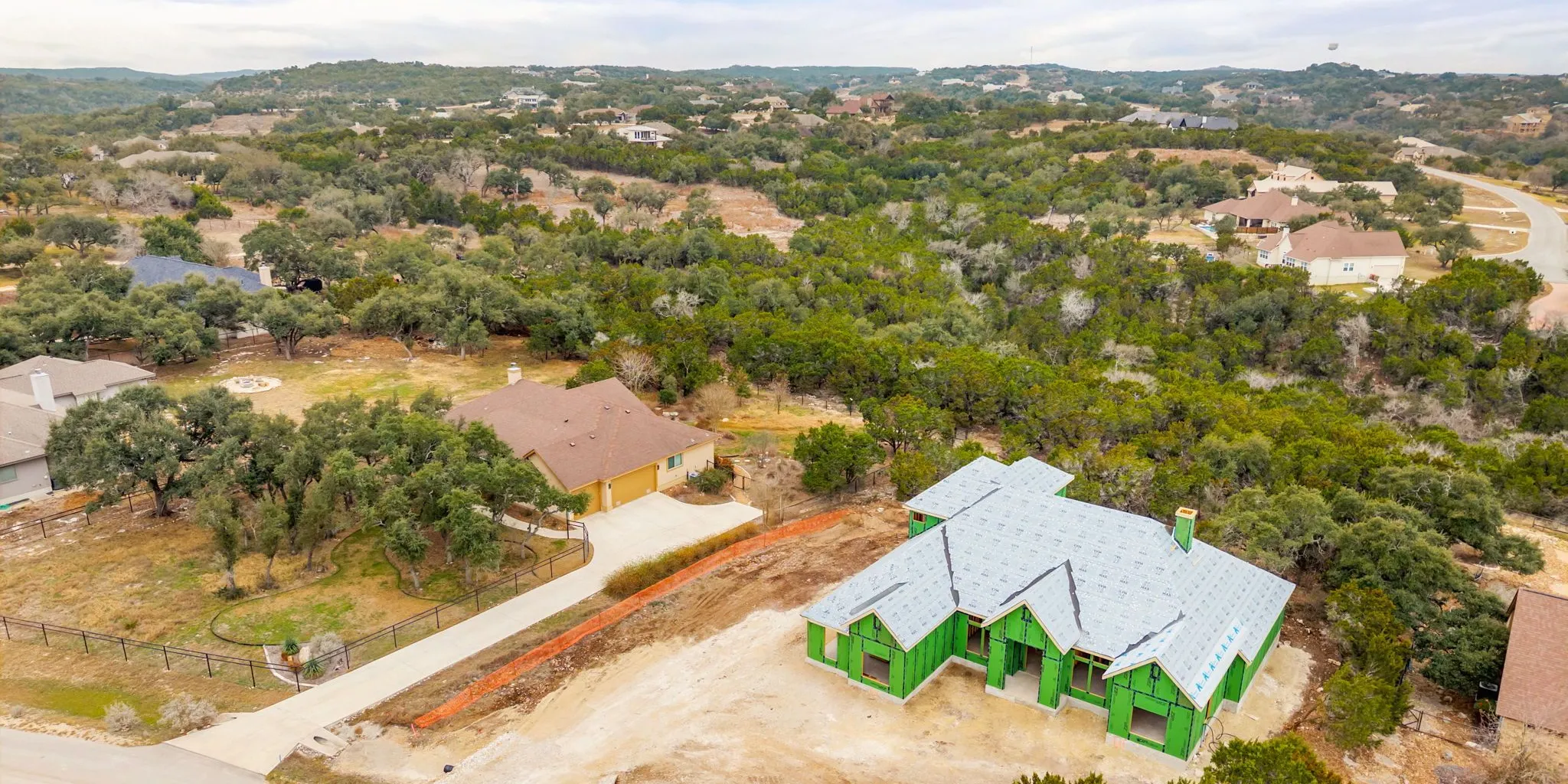
| Framing and dry-in | Structural framing, roof coverage, exterior openings, and progress against the plan | Does the inspection require the home to reach a specific completion percentage? |
| Rough mechanicals and insulation | Plumbing, electrical, HVAC, and insulation installed at the required stage | What documentation is needed before walls are closed? |
| Drywall, finishes, and fixtures | Interior finishes, cabinetry, flooring, fixtures, and approved selections | How are approved change orders reflected in the next draw? |
| Completion and closeout | Final work, inspections, punch list, certificate or approval requirements, and lien documentation | What must be complete before the final advance and loan conversion? |
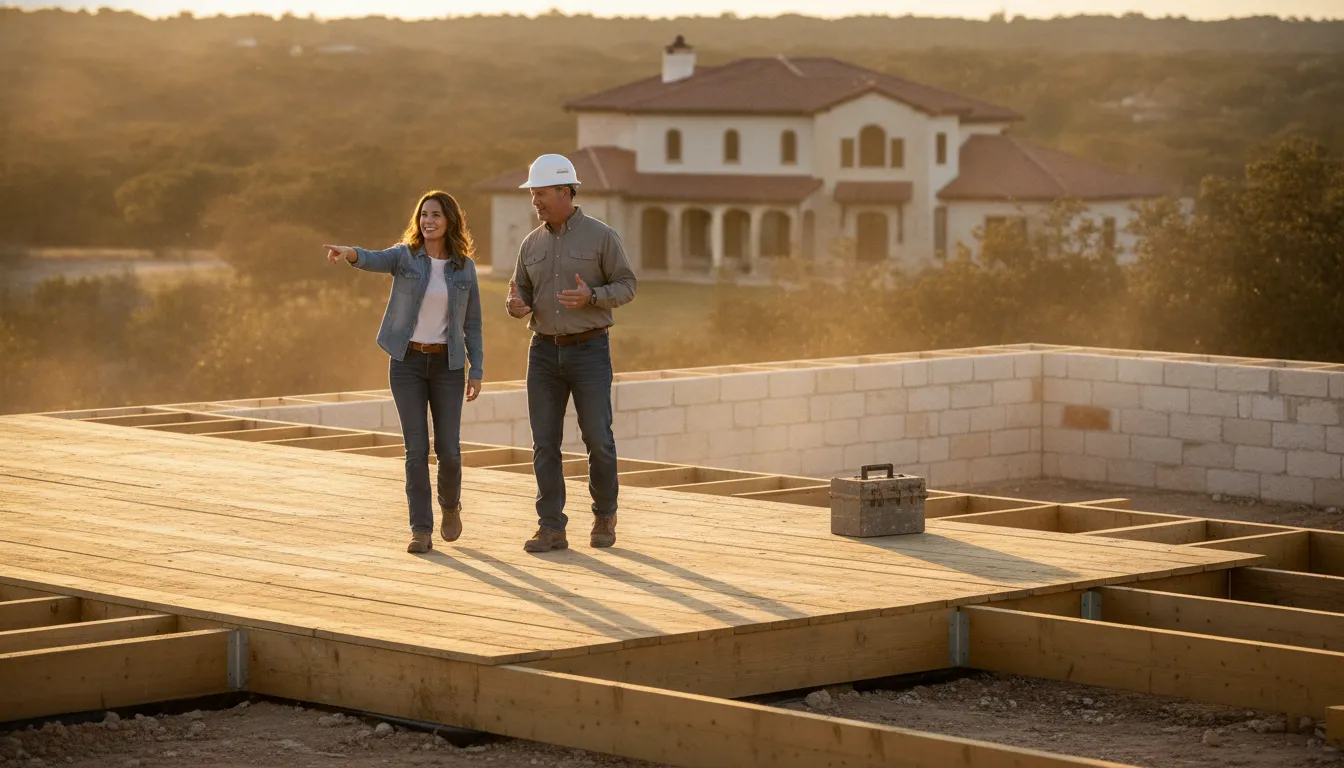
JLP Builders describes a multi-phase process that includes lender appraisal review during pre-construction, a pre-construction meeting, a pre-drywall meeting, a new-home demonstration, and a final walk. Those checkpoints give the buyer and builder useful moments to confirm that construction progress and lender requirements are aligned.
Review JLP Builders' broader Texas Hill Country custom-home process.
How do Comal and Kendall County requirements affect draw timing?
County permitting and lender draw approval are different processes. A county may require permits or site documentation, while a lender's inspector verifies progress for the loan. A project can be physically progressing while a draw waits for a missing permit, inspection report, invoice, or lender-required document.
For an unincorporated Comal County property, the county's permit guidance identifies potential requirements involving on-site sewage facilities, floodplain development, private improvements in public rights-of-way, and utilities. The county also notes that municipalities, property owners associations, utilities, and state or federal agencies may have additional requirements. Those items can affect when a lot is ready for a construction milestone.
Kendall County's permit information and its permitting guidance explain that development requirements can include driveways, rights-of-way, on-site sewage facilities, floodplain matters, grading, and other site improvements. The county also notes that municipalities and their extraterritorial jurisdictions may have separate requirements. Confirm the property's exact jurisdiction before relying on a county-only checklist.
The practical takeaway is to ask your builder and lender to map permit, inspection, and draw dependencies before work starts. That map should identify which party supplies each document and what happens if local approval, utility work, weather, or a change order shifts the sequence.
How can buyers manage cash flow between construction loan draws?
Draws are scheduled advances, not an open-ended reimbursement promise. Buyers should understand the timing gap between work being completed, an inspection being ordered, the request being approved, and funds becoming available. Plan with the lender and builder for that gap before signing the construction loan or construction contract.
- Request the lender's written draw procedures, including forms, inspection fees, turnaround expectations, and contact roles.
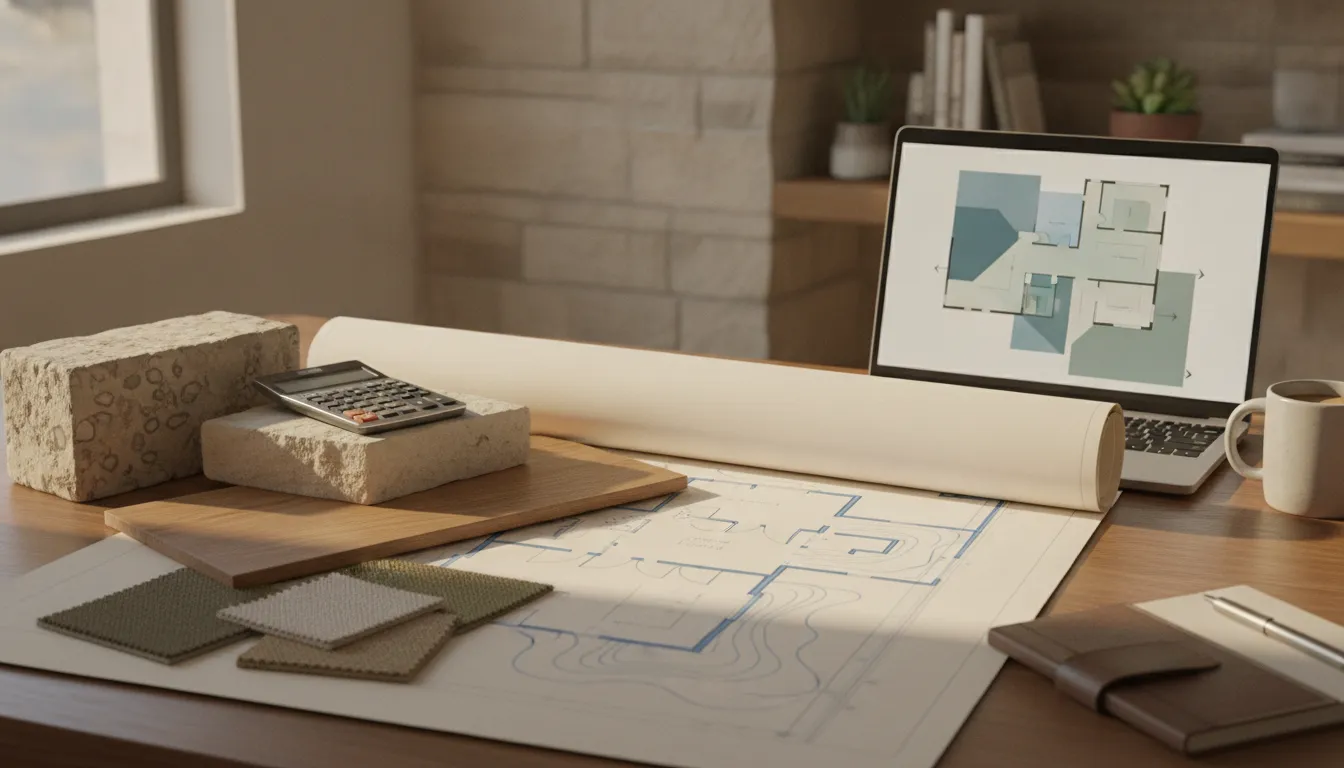
- Compare the construction budget with the draw schedule so major materials and labor are assigned to the correct stage.
- Ask how deposits, long-lead materials, owner selections, allowances, and approved change orders are funded.
- Keep a record of approved changes and confirm whether a change requires a revised appraisal, budget, or draw authorization.
- Clarify any borrower-paid items and maintain a documented reserve for costs the loan does not cover.
- Ask how lien waivers, payment affidavits, or other closeout documents will be collected and reviewed.
Texas Property Code Chapter 53 includes statutory provisions concerning lien waivers and releases. The Texas statutes site is a useful starting point, but it is not a substitute for advice from your lender, title company, or construction attorney about your specific project.
How does JLP Builders coordinate with lenders during the build?
At JLP Builders, lender coordination begins before the first construction draw. The documented custom home building process includes submitting plans and specifications to the lender for appraisal, completing pre-construction steps, and scheduling construction checkpoints. For a buyer, the benefit is a shared project sequence instead of discovering lender requirements after work is already underway.
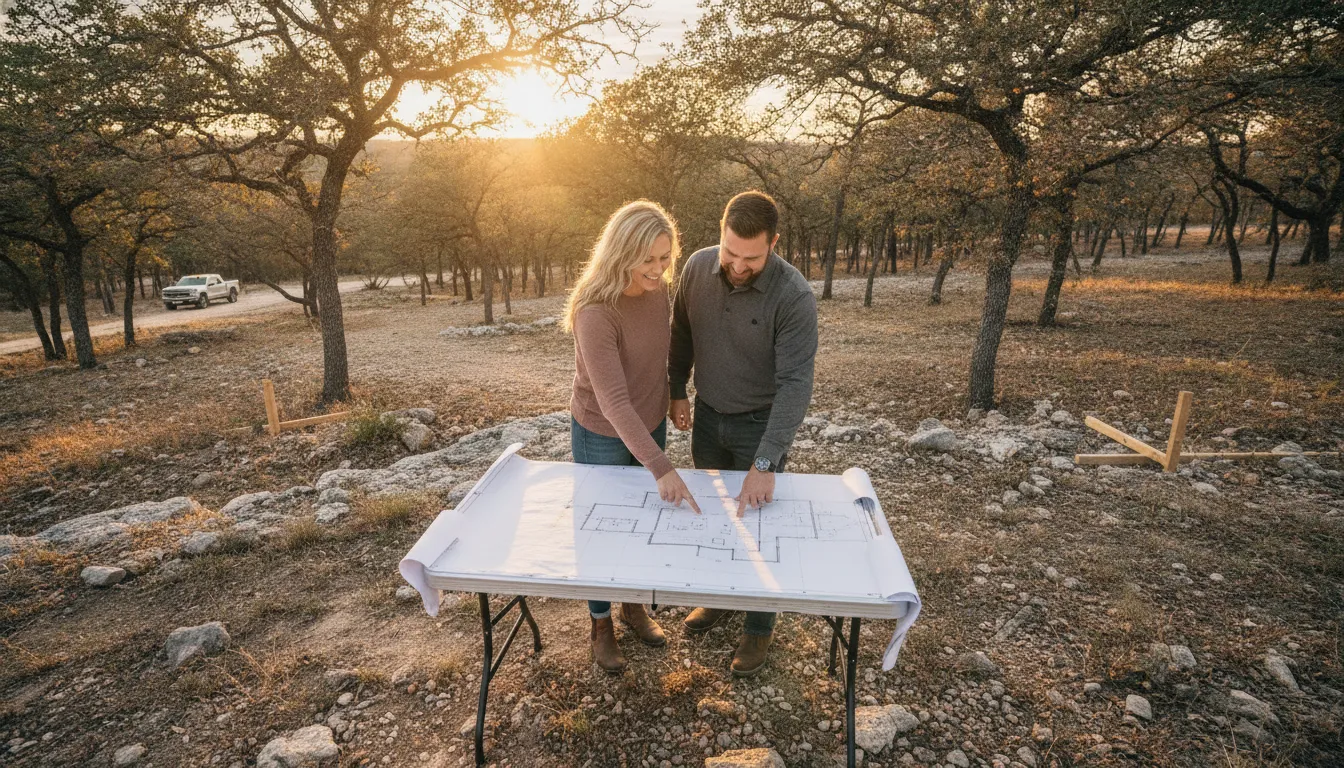
Before closing, ask JLP and your lender to confirm the approved plans, budget, draw milestones, inspection contact, required forms, and the process for changes. During construction, keep the builder and lender copied on decisions that change scope, timing, or cost. Regular communication does not replace the loan agreement, but it can reduce avoidable pauses caused by mismatched expectations.
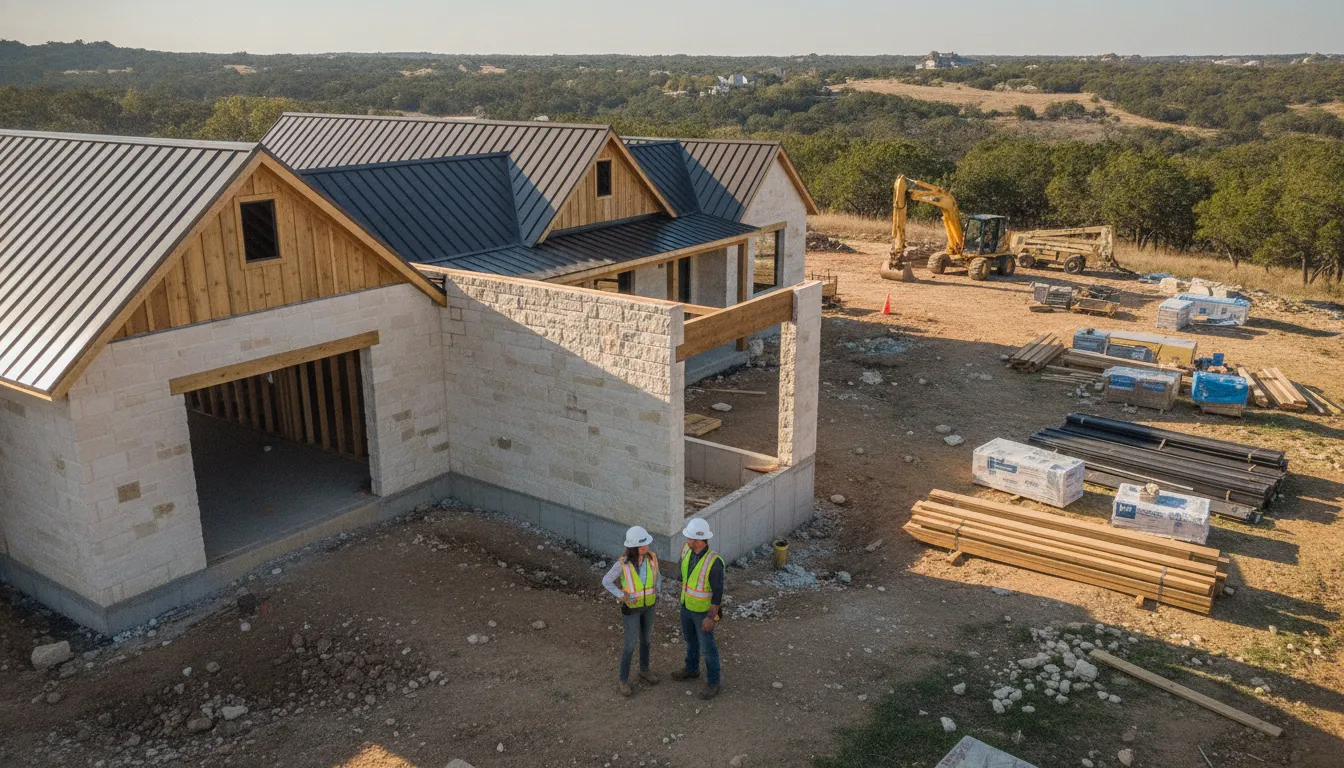
For buyers building on land they already own, JLP's Build On Your Lot guide provides a useful framework for discussing site review, plan development, lender appraisal, approvals, and construction sequencing. The lender still determines the financing conditions, and local requirements depend on the property.
Ready to discuss your custom-home project and financing timeline? Contact JLP Builders.
Frequently Asked Questions
How often are construction loan draws released?
Draw frequency depends on the builder, lender, contract, project stage, and inspection process. Some loans use monthly or milestone-based advances, while others combine stages. Ask for the written schedule before closing and confirm how long inspection and funding typically take.
Who requests a construction loan draw?
The builder, borrower, or a designated construction manager may submit the request. Responsibility is lender specific. Confirm who prepares invoices and photos, schedules inspections, answers questions, and tracks the approval through disbursement.
Can a construction loan draw be denied?
A lender may delay, reduce, or reject a request when work is incomplete, documentation is missing, costs do not match the approved budget, or the request does not meet the loan agreement. Ask how corrections and disputed items are handled before construction begins.
Do county inspections approve a construction loan draw?
Not necessarily. County or municipal inspections address local permitting and code requirements. A lender's progress inspection addresses the financing agreement. Both may matter to the project, but they are separate approvals with different purposes.
What should a buyer ask before signing a construction loan?
Ask for the draw milestones, inspection and handling fees, required documents, borrower-paid items, turnaround expectations, change-order process, interest calculation, final-draw conditions, and conversion or payoff terms. Have qualified financial and legal professionals explain provisions you do not understand.
Contact JLP Builders to take the next step toward your Texas Hill Country custom home.